
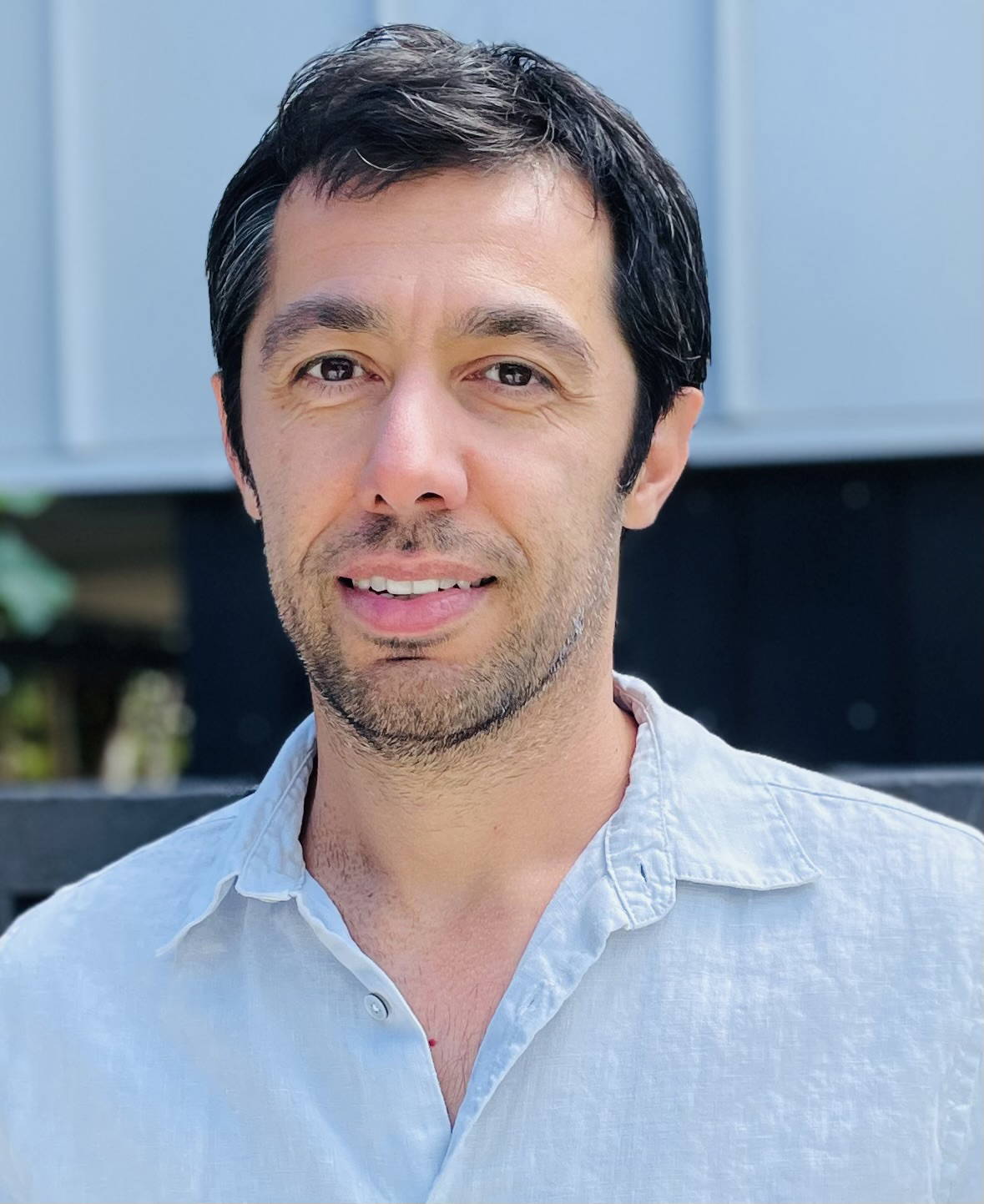
Arash Moghadam
Arash Moghadam is a PhD‑qualified Lead Software Engineer with nearly twenty years of experience designing and building software across a wide range of industries, including banking, insurance, logistics, taxation, and investment. Throughout his career, he has also taught programming at universities and institutes, helping learners understand how computers think and how real‑world software is created.
His journey into children’s education began at home. Inspired by his daughter Lily’s curiosity about how computers work, Arash started creating simple, friendly lessons to explain programming concepts in a way children could enjoy. Those lessons grew into a full educational project, this book series, designed to help young readers develop problem‑solving skills, creativity, and confidence in technology.
Arash continues to expand this mission by creating follow‑up books, video lessons, and new learning resources that make coding accessible and fun for children everywhere.
Do you try more to be original, or to deliver to readers what they want?
I aim to give readers what they genuinely need, clarity, confidence, and enjoyable learning, but I deliver it through original, creative approaches that make coding feel simple and exciting for children, blending their expectations with fresh explanations and unique teaching methods that keep the experience memorable.
What is it about your chosen genre that you love?
I love writing in the children’s coding and STEM genre because it lets me take ideas that are often seen as complex or intimidating and turn them into something playful, visual, and genuinely enjoyable for young readers. There’s a special satisfaction in watching a difficult concept become simple enough for a child to grasp—and even more exciting when it sparks curiosity or confidence. This genre blends creativity with logic, storytelling with problem‑solving, and imagination with real‑world skills, which makes it the perfect space to help kids discover how technology works while still having fun.
How do you select the names of your characters?
I like to pick names that make kids smile, short, friendly, and a little quirky. Sometimes they’re inspired by real kids I know, and other times they just pop into my head because they sound fun or match a character’s personality. If a character is super curious, their name might bounce; if they’re calm and logical, their name might feel smooth. Mostly, I choose names that make the story feel playful and help kids connect with the characters right away.
Have you Googled yourself? Did you find out anything interesting?
I have Googled myself a few times, mostly to see how my professional and educational work appears online. I didn’t find anything surprising—just the usual footprint from my engineering career and teaching background. The interesting part was noticing how my technical projects and my children’s coding work show up in completely different corners of the internet.
How did publishing your first book change your writing process?
Publishing my first book made my writing process much more intentional. I became far more focused on structure, clarity, and how each chapter would feel to a child and a parent reading together. It also taught me to think ahead, about layout, illustrations, pacing, and how the final printed version would look, so now I write with the finished book already in mind.
How many unpublished and half-finished books do you have?
I have one half‑finished book at the moment, and it’s already taking shape as the next step in my children’s coding series.
What’s the most difficult thing about writing characters of the opposite sex?
Writing characters of the opposite sex can be tricky because you have to step outside your own instincts and see the world through a different emotional lens.
Do you read your book reviews? How do you deal with bad or good ones?
I do read my reviews sometimes, mostly to understand how kids and parents are experiencing the book. Good reviews are encouraging—they show me what’s working and what readers enjoy. Bad reviews can sting a little, but I treat them as useful feedback that helps me improve the next book rather than something personal.